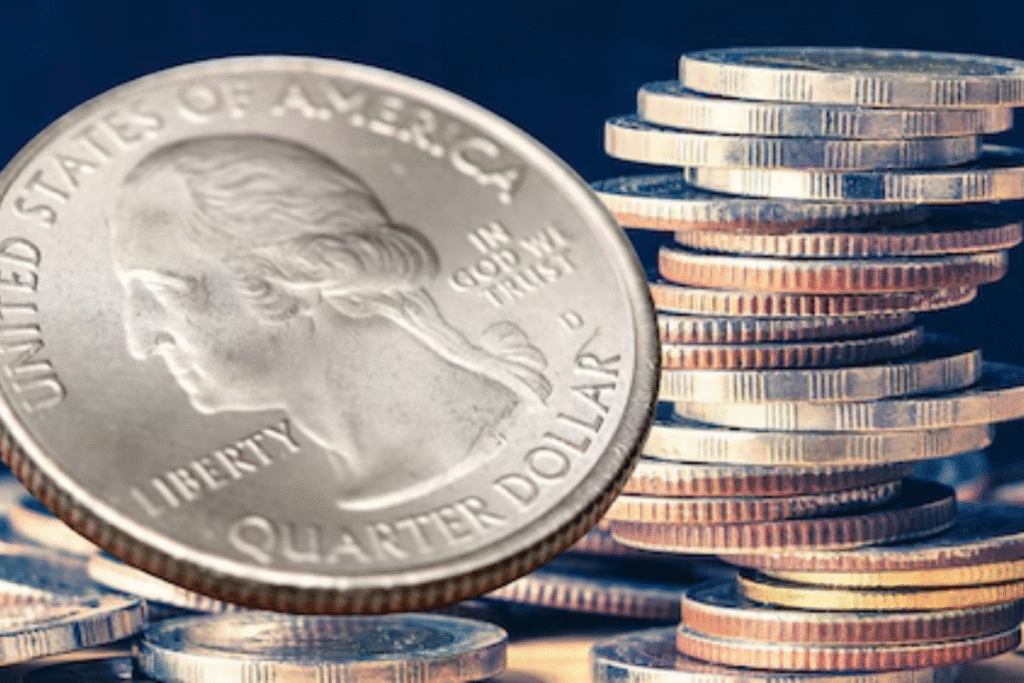
During World War II, the U.S. Mint made a dramatic shift—producing pennies out of steel instead of copper due to wartime metal shortages. While millions were minted in 1943, some extremely rare versions from other years—and specific mint errors—can be worth a small fortune today. These steel cents, often forgotten or mistaken for common coins, could turn an ordinary coin jar into a goldmine. Here are three steel pennies that are incredibly rare and could be worth over $100,000 to the right collector.
1943-D Bronze Planchet Steel Penny
While 1943 was known for steel pennies, a few were accidentally struck on bronze planchets instead. One of the most famous is the 1943-D Bronze Steel Penny, an ultra-rare error coin created when leftover bronze blanks from 1942 were mistakenly used in the Denver Mint. Only one known specimen exists and it sold for over $1.7 million at auction. If you find a 1943-D penny that doesn’t stick to a magnet, it’s time to see an expert—you might be holding history.
1944 Steel Penny
In 1944, the U.S. Mint returned to copper coinage, but a small number of steel planchets left over from 1943 accidentally made it into production. These 1944 Steel Pennies are among the most valuable Lincoln cents ever produced. Fewer than 30 are known to exist, with one fetching over $100,000 at auction. Check your 1944 pennies—if it’s steel gray and magnetic, you could be looking at an exceptionally rare minting error.
1943-S Steel Penny in High Grade
While most 1943-S Steel Pennies are relatively common, those found in mint-state condition (MS-68 or higher) are extremely desirable to collectors. A pristine example can sell for up to $10,000 or more depending on its certification and visual appeal. If your steel penny has a clear “S” mint mark and shows no signs of wear, it’s worth having it graded professionally—it could be one of the finest in existence.
Steel pennies are more than just a relic of wartime America—they’re potential treasure. With just a magnet and a keen eye, you could uncover a coin worth tens of thousands—or even hundreds of thousands—of dollars. Whether it’s a rare error from 1943 or a mistake from 1944, these steel cents are highly sought after by collectors worldwide. Don’t underestimate these silver-colored coins—they might just be your unexpected jackpot.
FAQ’s:
1. How do I identify a steel penny?
Steel pennies are magnetic and have a silver-gray color. The most common ones are from 1943, but rare variations exist from other years.
2. What makes a steel penny valuable?
Rarity, minting errors (like wrong planchets), and condition play key roles. Coins with fewer known examples fetch the highest prices.
3. Can I clean my steel penny to improve its value?
No. Cleaning a coin can reduce its value significantly. Always consult a professional before making alterations.
4. How can I find out if my steel penny is rare?
Use a magnet to confirm it’s steel, then check the date and mint mark. If it’s from 1944 or doesn’t match standard issues, have it appraised.
5. Where should I get my steel penny graded?
Use trusted services like PCGS or NGC. Graded coins typically sell for more and are preferred by collectors and investors.